Building Your First Python Package: A Short Guide
What is a Python Package?
A Python package is a collection of modules (Python files) organized in a directory structure that makes your code reusable, shareable, and installable. It's how you transform your useful scripts into tools that others can easily import and use.
Why Build Packages?
Packaging your code offers several benefits:
-
Reusability: Use your code across multiple projects without copying files
-
Sharing: Distribute your work to other developers via PyPI (Python Package Index)
-
Organization: Maintain clean, structured codebases
-
Version Control: Manage different versions of your code easily
-
Dependency Management: Clearly define what your code needs to run
The Essential Structure
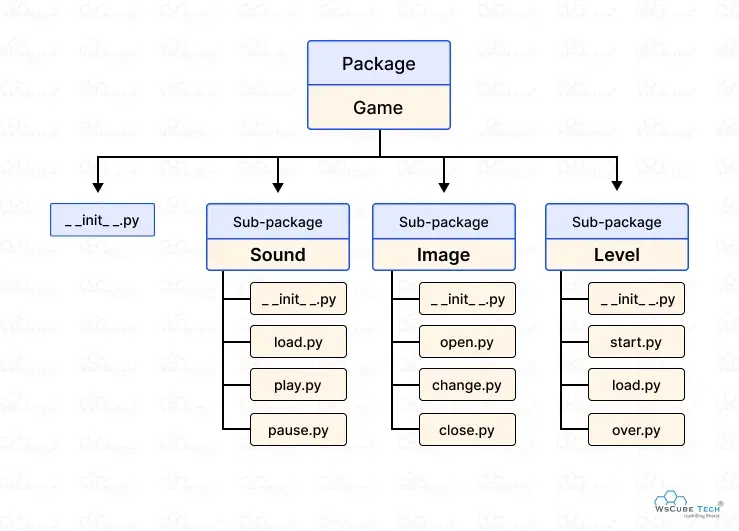
A basic Python package requires a specific folder structure:
your_package_name/
├── your_package_name/
│   ├── __init__.py
│   ├── module1.py
│   └── module2.py
├── tests/
│   ├── test_module1.py
│   └── test_module2.py
├── pyproject.toml
└── README.md
Key Components
init.py: This file marks your directory as a Python package. It can be empty or contain initialization code.
Modules: Your actual Python files containing functions, classes, and variables.
pyproject.toml: The modern configuration file containing package metadata, dependencies, and build settings.
README.md: Documentation explaining what your package does and how to use it.
tests/: A folder containing test files to verify your code works correctly.
The Build Process
Modern Python packaging uses build tools to create distributable files:
-
Prepare your structure: Organize your code with proper init.py files
-
Configure metadata: Define your package name, version, author, and dependencies
-
Build your package: Create distribution files using build tools
-
Test locally: Install and test your package in a fresh environment
-
Publish (optional): Upload to PyPI for public distribution
Core Files Explained
init.py
This file can:
-
Define what gets imported when someone imports your package
-
Initialize package-level variables
-
Import specific functions for easier access
pyproject.toml
This file contains:
-
Package name and version
-
Author information
-
Dependencies your package requires
-
Build system specifications
README.md
Your README should include:
-
What your package does
-
Installation instructions
-
Basic usage examples
-
Requirements and dependencies
Packaging Tools
setuptools: The traditional packaging library
poetry: Modern tool with built-in dependency management
flit: Simpler alternative for pure Python packages
hatch: Newer tool with advanced features
Best Practices
-
Use a clear package name: Choose something descriptive and unique
-
Start with a minimal structure: Don't overcomplicate your first package
-
Include a README: Documentation matters as much as code
-
Write tests: Verify your package works correctly
-
Specify dependencies: List all packages your code requires
-
Use version control: Track changes with Git
-
Follow naming conventions: Use lowercase, underscores, and descriptive names
Common Mistakes to Avoid
-
Forgetting init.py: Without it, Python won't recognize your directory as a package
-
Vague naming: Choose names that clearly describe functionality
-
Missing dependencies: Always list what your package needs
-
No documentation: Users need to understand how to use your code
-
Conflicting names: Avoid names that clash with existing packages
Real-World Applications
Packages serve countless purposes:
-
Data analysis tools: Reusable functions for processing data
-
API clients: Wrappers for external services
-
Utility libraries: Collections of helpful functions
-
Framework extensions: Add-ons for popular frameworks
-
Configuration tools: Reusable settings management
Getting Started
-
Create your structure: Set up the basic folder layout
-
Add init.py: Make it a proper package
-
Write your code: Create your modules with functions/classes
-
Add configuration: Create pyproject.toml with metadata
-
Test locally: Install and try your package
-
Document: Write clear usage instructions
The Bottom Line
Building your first Python package transforms you from someone who writes scripts into someone who creates reusable tools. It's a milestone in your Python journey that opens doors to sharing code, contributing to open source, and building a library of personal utilities.
Start simple. Package a small utility you've already written. As you understand the structure and process, gradually tackle more complex projects. Every package you build makes you more efficient and helps others benefit from your work.
Contact Us
Phone: +91 9667708830
Email: info@codingnow.in
Website: https://codingnow.in/
Address:
2nd Floor, Kapil Vihar (Opp. Metro Pillar No.354)
Pitampura, New Delhi – 110034
Backlink to main website: Explore Python and AI courses at Coding Now – Gurukul of AI
